Help & Information
Understand Florida roof storm damage and what to do next
What Counts As Roof Storm Damage?
After a Florida hurricane, tropical storm, hailstorm, or severe thunderstorm, several types of roof damage can occur. Some are visible immediately from the ground; others take days or weeks to appear as leaks or structural issues. Here is what Florida homeowners should look for:
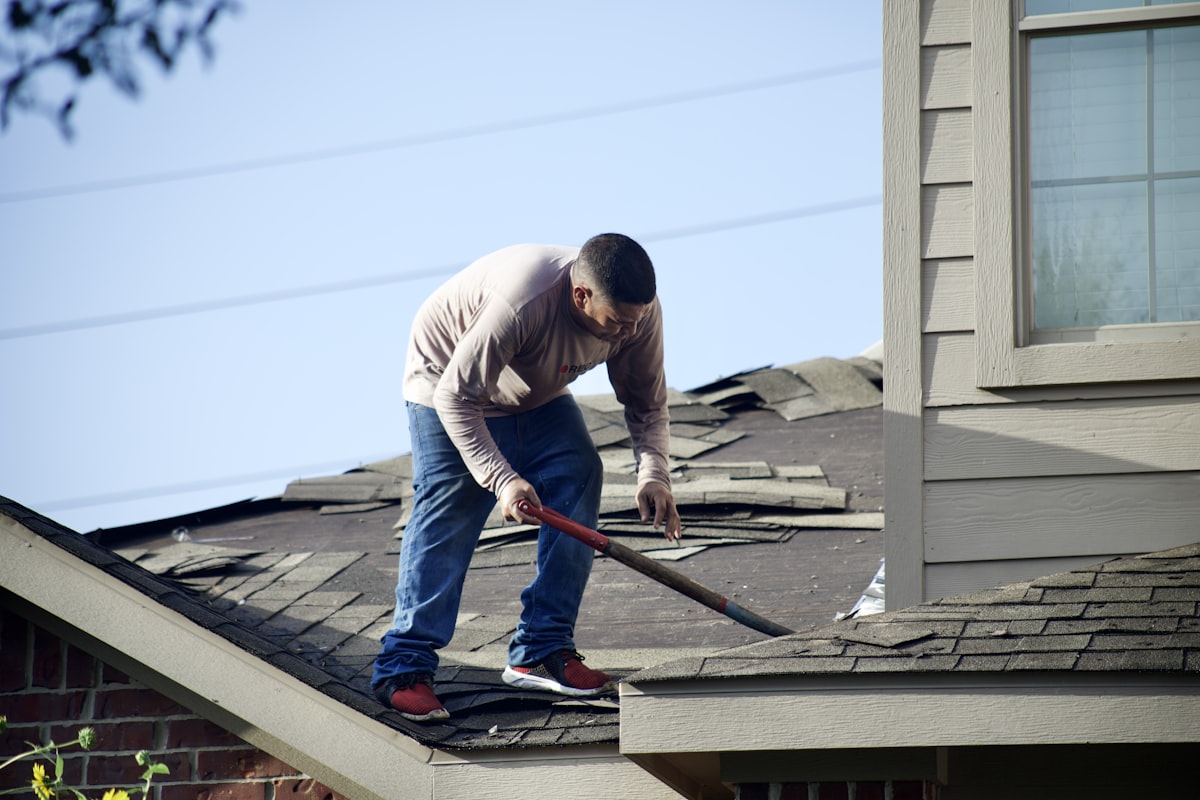
Wind Lift
High winds lift shingles and tiles, breaking the seal and exposing the underlayment. This is one of the most common forms of storm damage in Florida.
Hail Marks
Hail creates distinctive dents, cracks, and circular impact marks on shingles and tiles. Granule loss from hail exposure accelerates roof aging.
Missing or Cracked Tiles
Concrete and clay tiles can crack, break, or become dislodged during high winds or debris impact. Missing tiles leave the roof deck exposed.
Damaged Flashing
Flashing around chimneys, vents, skylights, and roof valleys can be bent, lifted, or torn during storms, creating leak pathways.
Punctures and Leaks
Flying debris can puncture roofing materials. Water can enter through even tiny punctures and travel along roof decks before appearing as ceiling stains.
Gutter Damage
Dented, sagging, or detached gutters indicate storm force and can lead to water pooling near the foundation if not repaired.
Mistakes To Avoid After a Florida Storm
Florida homeowners often make these common mistakes after a hurricane, hailstorm, or severe thunderstorm. Avoiding these errors can protect your safety, your roof, and your insurance claim.
Wet roofs are extremely slippery. Falls after Florida storms are common and dangerous. Always document from ground level or with zoom photography. Use our photo guide for safe documentation.
Delaying documentation increases the risk of mold, structural rot, and missed insurance deadlines. Document immediately after the storm passes using our damage report tool.
Keep broken shingles, tiles, and debris as evidence. Insurance adjusters and roofers need to see the damaged materials to assess the full scope of the damage.
Without photographic evidence, damage claims are harder to verify. Take plenty of photos even if you are not sure the damage is significant. See our photo guide for specific guidance.
Know what damage exists before filing a claim. A premature claim without proper documentation can complicate the process or be denied. Use our evidence checklist first.
Even a small ceiling spot can indicate significant roof damage. Water travels along roof decks and can enter far from the stain location. Document all stains in your damage report.
Not all storm damage causes immediate leaking. Wind-lifted shingles, cracked tiles, and compromised flashing can leak weeks or months later during the next Florida rainstorm.
When To Request Help Immediately
Some Florida storm damage situations require immediate professional attention. If you see any of the following, do not wait:
Active Dripping
Running water inside the home means the roof barrier is breached. Place a bucket and call for help.
Sagging Ceiling
A bulging or sagging ceiling indicates water pooling above. This is a structural risk and needs immediate evaluation.
Water Near Electrical
Water contacting light fixtures, outlets, or wiring creates an electrocution and fire hazard. Turn off power if safe and call a professional.
Missing Roof Sections
Large areas of exposed roof deck mean the home is vulnerable to widespread water damage and requires immediate tarping.
Large Debris Impact
A fallen tree or large branch on the roof can cause structural damage. Do not attempt removal yourself.
Rapidly Spreading Stains
Ceiling stains that grow quickly indicate significant ongoing water intrusion that needs immediate professional assessment.
Frequently Asked Questions About Florida Roof Storm Damage
Not Sure Where To Start?
Take the guided damage report to get a personalized evidence checklist in minutes.
Start Damage Report