Photos Homeowners Should Take
Safe, effective documentation from ground level

Exterior Roof Line
Take ground-level photos of all four sides of the house showing the roof line and any visible damage.
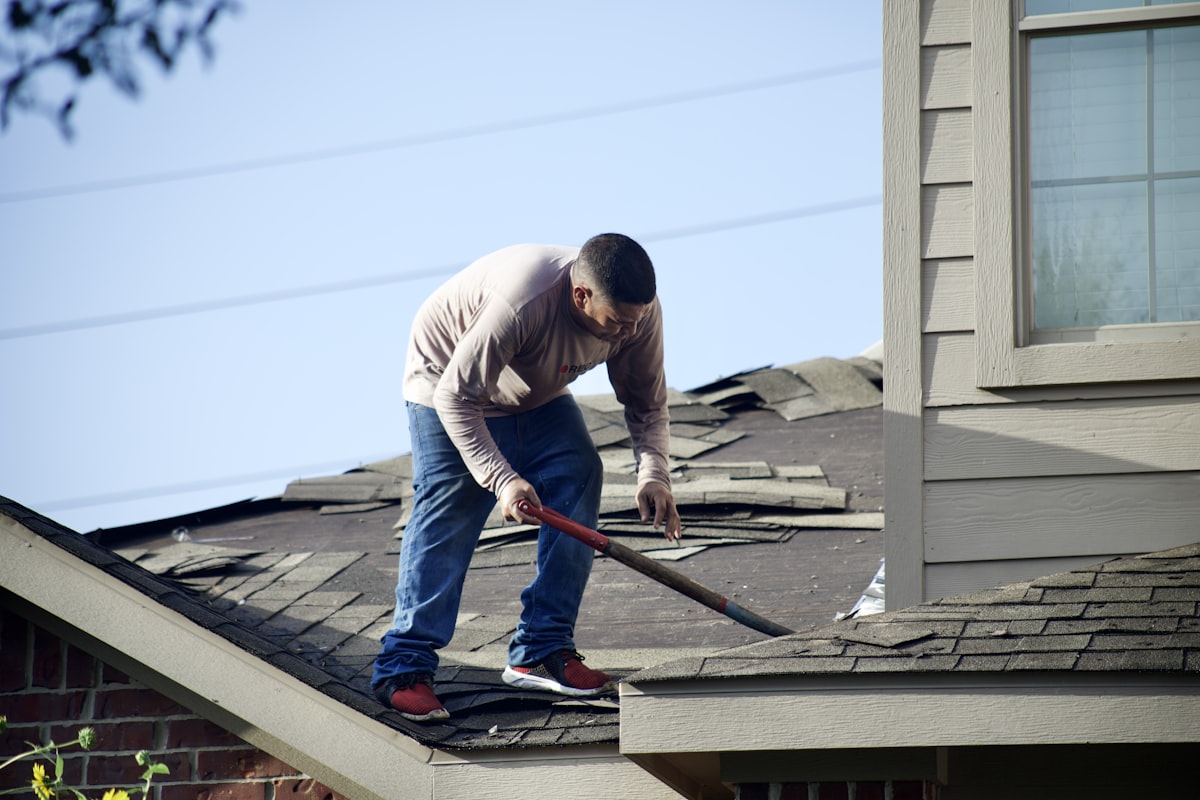
Close-Up Damage
Use zoom to capture missing, cracked, or lifted shingles and tiles. Show the detail clearly.
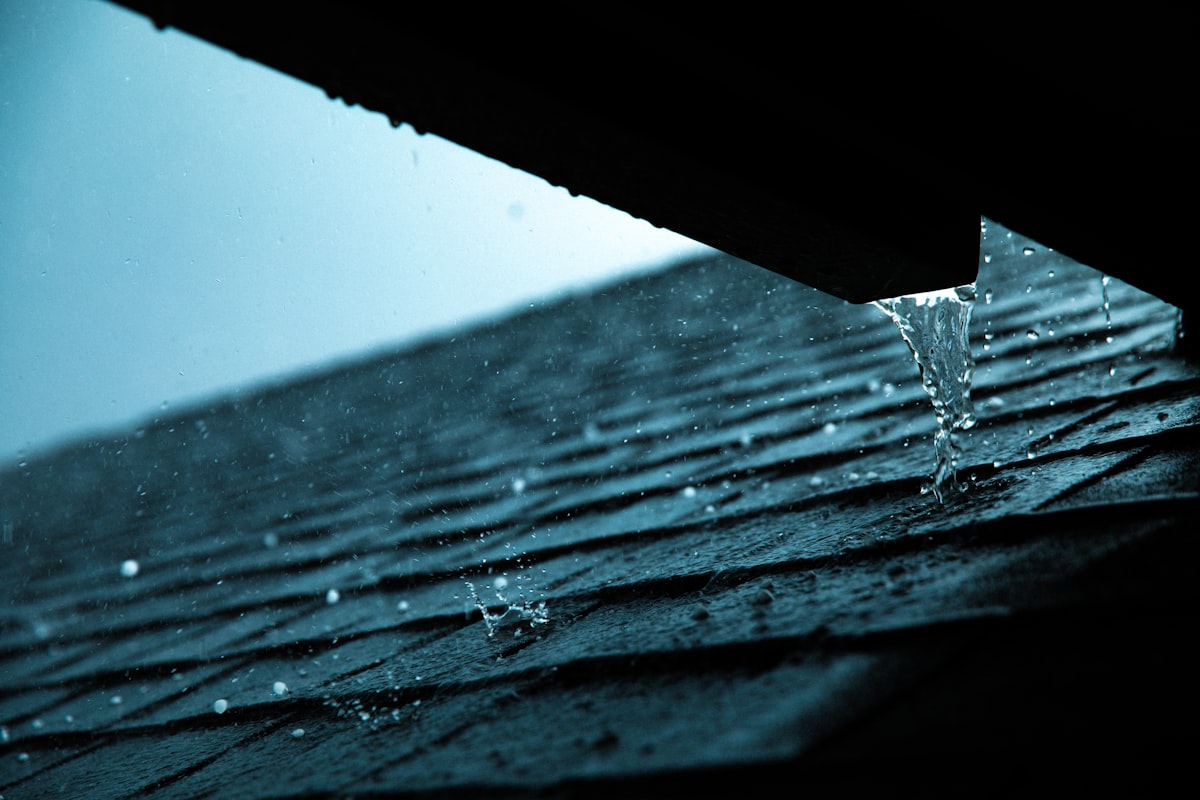
Ceiling Stains
Photograph any ceiling discoloration, water spots, stains, or sagging areas inside the home.
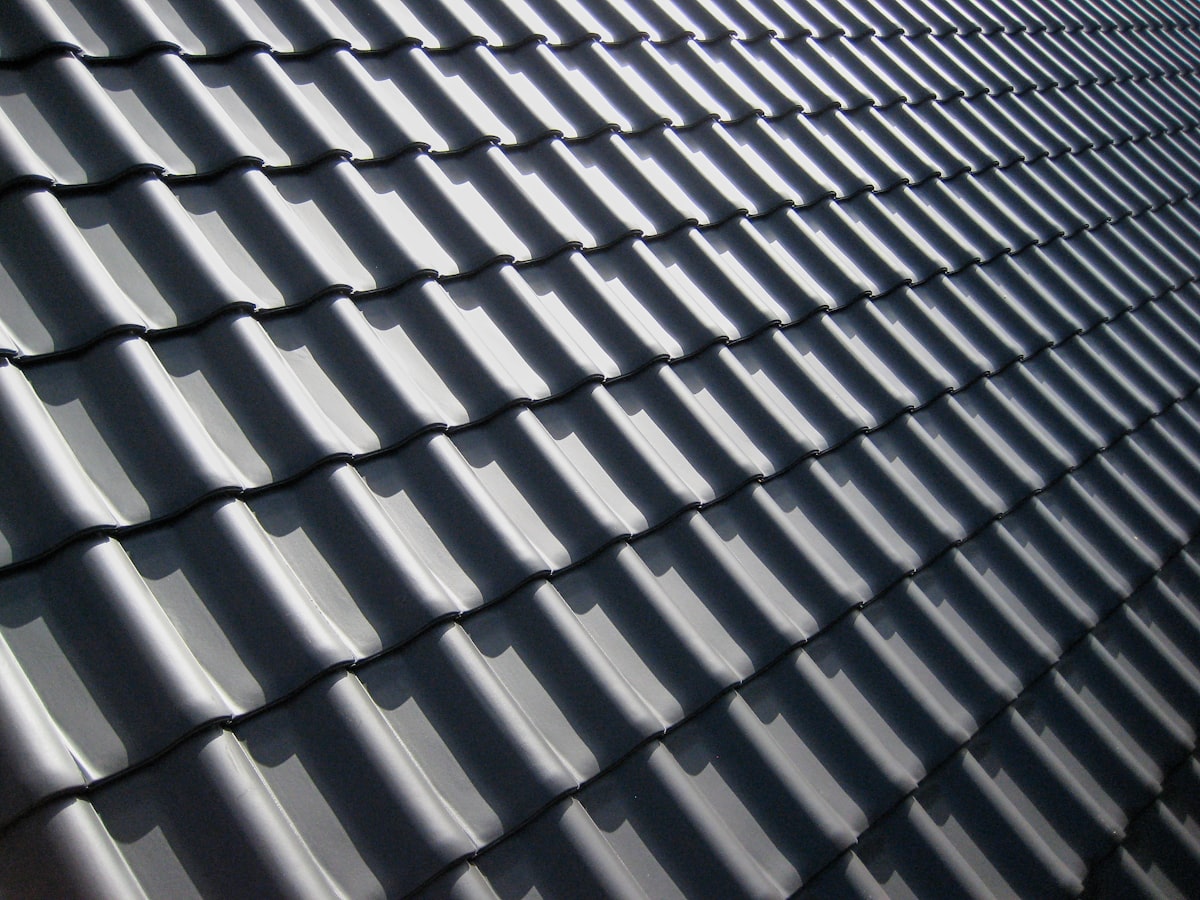
Gutters and Downspouts
Show dents, separation, sagging, or debris accumulation in gutters and downspouts.
Fallen Debris
Photograph any debris that fell on the roof or in the yard, including branches, tiles, or other objects.
Weather Alerts
Take screenshots of weather alerts, warnings, or radar images from the storm date as time-stamped evidence.
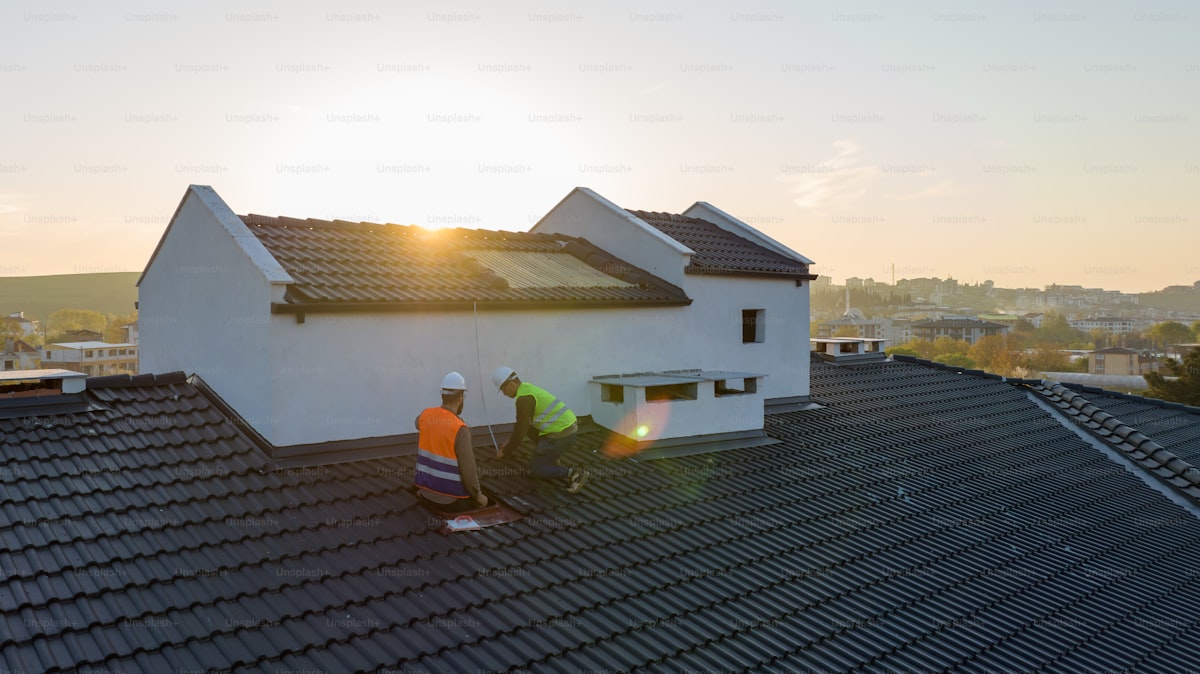
Neighbor Properties
If neighbors have visible roof damage, take photos showing the pattern of storm impact across the area.
Attic Interior
If safe to enter the attic, photograph any moisture, mold, daylight penetration, or wet insulation.
Why Detailed Photos Strengthen Your Florida Storm Damage Claim
Florida insurance companies and roofing professionals rely on photographic evidence to assess the scope and cause of roof storm damage. Photos showing wind lift, hail impact marks, missing shingles, cracked tiles, damaged flashing, gutter damage, and interior ceiling stains create a clear timeline and damage record. Well-documented photo evidence can help accelerate claim processing, reduce disputes about pre-existing conditions, and ensure all damage types are included in the assessment. Taking photos immediately after a Florida hurricane, tropical storm, or hailstorm in cities like Miami, Tampa, Orlando, Jacksonville, Fort Lauderdale, or Naples is critical for preserving evidence before temporary repairs or weather changes alter the scene.
Tips for Good Evidence Photos
Use the highest resolution setting on your phone or camera. Take both wide-angle and close-up shots. Include a familiar object (like a coin or ruler) for scale in close-up photos. Take photos in good daylight when possible. Capture date-stamped images. Do not edit or alter photos after taking them. Store original unedited photos in a safe location and back them up to cloud storage for insurance claim submission.